







Search Results for: Morinaga Milk

How can you tell if a latte tastes good? Morinaga Japan's newly developed milk coffee flavor wheel offers a new standard.
The coffee flavor wheel has always been an important tool for evaluating black coffee, but when it comes to drinks with milk added, such as lattes, consumers often lack a systematic reference standard. Recently, Japan's Morinaga Milk Company published a study in the journal Food Science and Technology Research, specifically developing a "milk coffee flavor wheel" for milk coffee. This flavor wheel is based on the real perceptions of 203 ordinary consumers, combined with discussions among 12 beverage developers, and selected 53 characteristic terms from 456 descriptions, striving to make it easy for the general public to judge the quality of a cup of milk coffee. This article will introduce in detail the research and development background of this flavor wheel, its creation method, and its significance for coffee lovers. [more…]
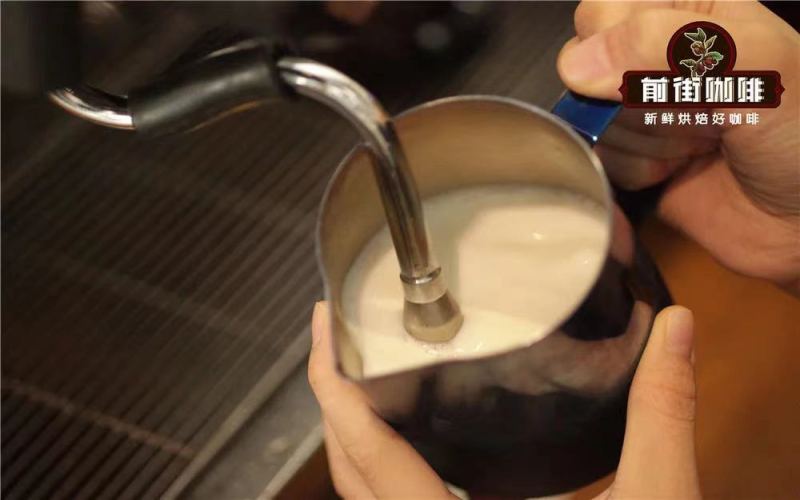
Milk Frothing Tutorial for Beginners | Why Does Milk Foam? How to Froth Milk for a Latte? What Are the Steps and Techniques for Latte Art Pouring and Integration?
At FrontStreet Coffee, steaming milk can be said to be a basic and core skill for every barista. Whether one can steam perfect milk is one of the factors used to judge whether a barista's level is up to standard. For example, the milk foam in a latte is on the thinner side, making it smooth and delicate to drink. The [more…]

Why Does Milk Frothing Always Go Wrong? A Full Guide to Analyzing Five Common Misconceptions and Practical Tips
Steaming milk is a fundamental skill every barista must master, but many people run into problems during the process, such as milk foam not incorporating, separating into layers, or dissipating quickly. Drawing on the hands-on experience of Front Street Coffee, this article systematically explains the principles of milk foaming, the key factors affecting incorporation, how milk foam performs at different temperatures, and the differences between steaming milk and frothing it by hand. It also compiles the five most common mistakes made when steaming milk, along with detailed steps for a tulip latte art pour, to help you comprehensively improve your milk foam quality and latte art skills. [more…]
Latte art tutorial | Why does milk foam? How can coffee beginners make latte art? What are the techniques for steaming milk for a latte?
Guide to Getting the Best Milk Foam, Why Does Milk Foam? Front Street Coffee (FrontStreet Coffee) - it can be said that steaming milk is a fundamental and core skill for every barista; whether one can steam perfect milk is a factor in judging whether the barista's skill level is up to standard. [more…]

How to Make a Flat White? A Detailed Guide to Espresso-to-Milk Ratios, Milk Foam Thickness, and Temperature
Flat white is a milk coffee that emphasizes the true flavor of coffee. Compared with a latte, it has a higher espresso content, less milk, and thinner milk foam. In this article, Front Street Coffee will systematically explain the controversy over the origin of flat white, the choice of espresso base, the recommended ratio of milk to coffee, and how to judge the temperature, thickness, and texture when steaming milk. It will also explain the differences between whole milk, low-fat milk, and skim milk when steaming, helping coffee lovers, after understanding the principles, consistently make a fragrant, velvety espresso milk coffee at home. [more…]

The Principles of Milk Foaming and Latte Milk Frothing Techniques: A Complete Guide from Integration to Latte Art Patterns
Steaming milk is a fundamental skill that every barista must master, and the quality of the milk foam directly affects the taste of a latte and the result of latte art. Drawing on the practical experience of Front Street Coffee, this article explains in detail the physical principles of milk frothing, answers common problems such as foam that won't incorporate, separation, and surface bubbles, and explains how steam pressure and foam fineness determine incorporation. The article also compares the stability of milk foam at different temperatures, provides two frothing methods—manual and steam—summarizes five common mistakes, and finally includes a step-by-step tutorial on tulip latte art. Whether you are a beginner or a coffee enthusiast looking to refine your skills, you will find practical guidance here. [more…]

What Milk Should You Choose for Brewing Coffee? Whole Milk vs. Skim Milk—Which Pairs Better with Coffee?
The pairing of coffee and milk is a classic choice for many enthusiasts in their daily drinking. Milk can soften the bitterness while preserving the coffee's aroma, making the entire cup more drinkable. However, different coffee types have different requirements for milk: espresso needs a stronger base to support the milk flavor, while pour-over coffee, being lighter in nature, requires more caution when adding milk. This article discusses the principles of pairing coffee with milk, the coffee-to-milk ratio for latte, whether pour-over coffee is suitable for adding milk, and the difference between fresh milk and pure milk, and shares Front Street Coffee's practical experience in latte ratio adjustment, helping readers find a milk coffee solution that suits them. [more…]

Specialty Coffee Knowledge: A Complete Guide to Latte Milk Frothing Principles, Integration Assessment, and Optimal Temperature
The key to an ideal latte lies not only in the quality of the espresso, but also in the fineness of the steamed milk and temperature control. Front Street Coffee will start from the basic principles of milk frothing to answer common questions such as why the milk foam does not blend and why it floats on the surface during latte art, and will also take an in-depth look at how steam pressure and foam fineness affect blending. At the same time, through experimental comparisons at different temperatures, we reveal why the 50 to 70°C range is the golden zone for long-lasting, stable milk foam, helping you master the core techniques for steaming perfect milk foam. [more…]

Which Milk Should You Choose for Coffee? A Side-by-Side Taste Test of Glass-Bottled Fresh Milk vs. Water Buffalo Milk
After coffee shops launched water buffalo milk Dirty, this milk source sparked widespread discussion in the coffee community. Water buffalo milk is familiar to friends in Guangzhou, Foshan, and Guangxi, but how does it actually perform in coffee? This article, through hands-on comparisons of glass-bottled fresh milk and water buffalo milk, makes hot lattes, Dirty, and iced mochas respectively, recording one by one from milk foam fineness, coffee integration, layering effect, to flavor layers. At the same time, it will also sort out the effects of pasteurization and ultra-high-temperature sterilization on milk taste, helping coffee lovers and cafe owners find milk suitable for pairing with coffee. [more…]
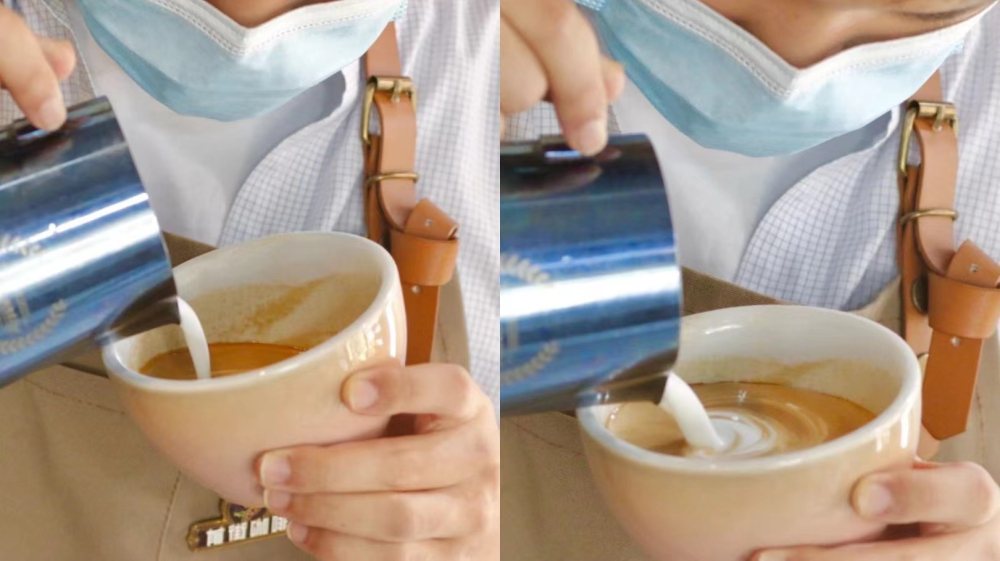
Australian White Milk Coffee Ratio | What Are the Characteristics of Flat White's Milk Foam? How Do Coffee Beginners Froth Milk? How Can Beginners Make a Standard Australian White?
Everyone knows that making espresso milk coffee requires espresso and milk, and there are many types of milk coffee, such as latte, mocha, cappuccino, etc., which use different ratios of espresso and milk. So in this article, Front Street Coffee wants to give everyone [more…]

Soy milk, milk powder, Wangzai, or AD calcium milk in a latte? A hands-on test of the flavor and mouthfeel differences of five non-fresh-milk ingredients
Latte, cappuccino, flat white, and Dirty all rely on milk, but what would the final taste be if you swapped in soy milk, milk powder, banana milk, Wangzai milk, or AD calcium milk? This time, Front Street Coffee made lattes one by one using five types of non-fresh milk ingredients, all with Front Street Espresso Blend · Strawberry Candy Espresso, using a 1:5 coffee-to-milk ratio for a hot-and-cold comparison, focusing on aroma integration, sweetness, smoothness of mouthfeel, milk foam performance, and whether it is suitable for latte art. The article not only preserves parameters that can be directly replicated, but also gives judgments on the pros and cons of each ingredient, making it a reference for enthusiasts who want to make specialty coffee at home or in a shop. [more…]
Optimal Flavor Temperature Analysis for Milk Coffee: Latte Milk Foam Steaming Principles and Fusion Degree Assessment Standards
The key to a delicious latte lies in the fusion state of milk and coffee and the temperature when it enters the mouth. This article will systematically explain the scientific principles of milk foaming, the factors affecting the fusion degree of milk foam and coffee, and reveal the differences in milk foam durability at different frothing temperatures through experimental data. At the same time, it provides cause analysis and solutions for common problems in daily operation, such as milk foam not fusing and milk foam floating up during latte art. The article also combines the practical experience of Front Street Coffee to explain why around 60°C is the optimal flavor temperature range for milk coffee, and how to judge whether the milk foam fusion degree is up to standard. [more…]
The Correct Way to Mix Coffee with Milk: A Guide to Ratios, Suitable Coffee Types, and the Difference Between Fresh Milk and Pure Milk
The pairing of coffee and milk may seem simple, but it actually places strict demands on the coffee's own strength and flavor profile. Starting from the golden ratio of coffee to milk, this article explains why deep-roasted coffee with a bitter-leaning character is better suited to combining with milk than acidic coffee, and uses espresso and latte as examples to introduce the 1:6.5 blending scheme of Front Street Coffee Sunflower Warm Sun Blend and Vitasoy Fresh Milk. It also discusses whether pour-over coffee can have milk added, which types of pour-over are suitable for adding milk and the recommended amounts, and finally sorts out the five differences between fresh milk and pure milk in terms of shelf life, storage method, sterilization process, nutritional value and taste, helping coffee lovers find a cup that is smooth yet still retains coffee flavor. [more…]
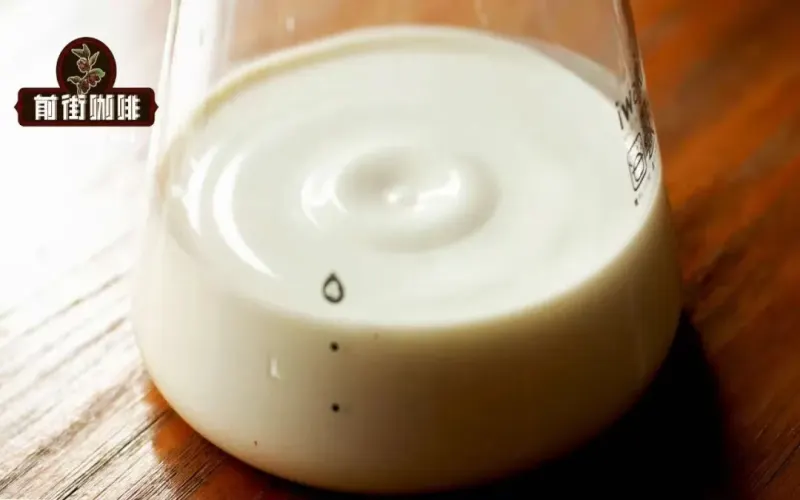
What Is Ice Breaker Purified Milk? A Guide to Making High-Concentration Fresh Milk at Home Using the Freeze Distillation Method for Dirty and Lattes
Front Street Coffee has frequently introduced ice bock—that is, purified milk—recently, and many friends want to know exactly how it differs from milk coffee made with ordinary fresh milk. Simply put, purified milk tastes richer, and its mouthfeel is fuller and more substantial. Besides buying it directly, you can actually easily make it at home: just freeze fresh milk and then thaw it, using the difference in freezing points among the components to remove some of the water, and you get milk with a higher concentration. In this article, Front Street Coffee will share the specific steps for purifying milk, how to judge the degree of purification, and how to adjust the ratios when using it to make milk coffees such as Dirty and latte, along with recommendations for coffee beans that pair well, to help you make a cup of rich yet not cloying purified milk coffee. [more…]
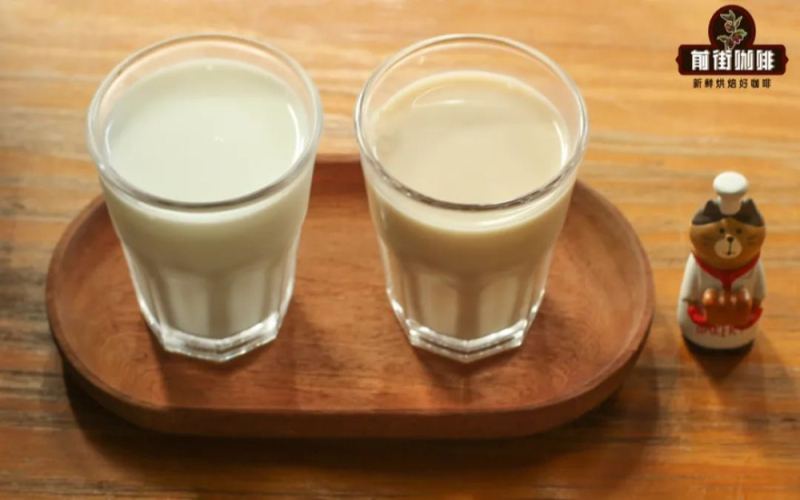
Analyzing the Essential Differences Between Oat Milk and Dairy Milk: Foaming Challenges and Latte Art Techniques for Plant-Based Lattes
In recent years, many customers who come to the shop ask whether we have oat milk lattes, or ask for advice on how to steam fine milk foam with oat milk. Although the milk coffee produced by Front Street Coffee has always used whole milk, in order to respond to everyone's curiosity, today we'll talk about the unique characteristics of oat milk lattes, as well as the techniques to note when steaming milk foam and doing latte art with oat milk. This article will start with the composition of oat milk, compare it with fresh milk in terms of flavor and texture, and explain in detail the key points for operating oat milk during steaming and latte art, to help coffee lovers better master the methods for making plant-based milk coffee. [more…]
Latte Milk Source Selection Guide: Differences Between Purified Milk and Fresh Milk and Feasibility Analysis of Milk Powder
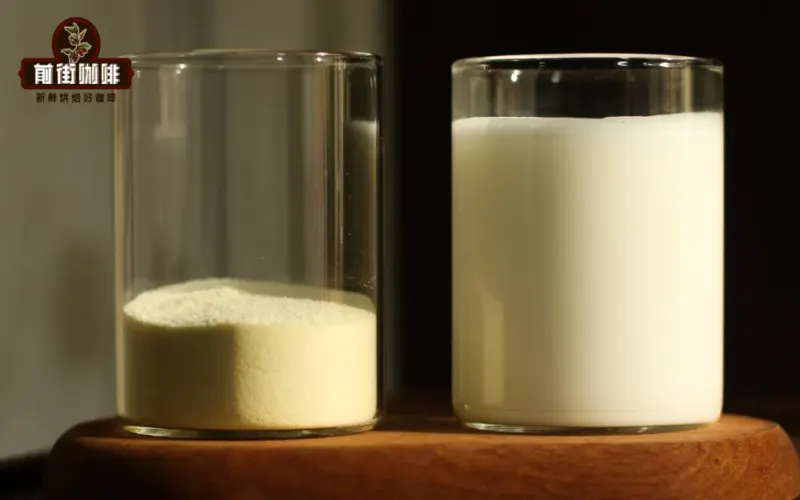
When making a high-quality latte, the choice of milk is crucial. The market is flooded with dairy products, from ordinary fresh milk to concentrated milk like IceBock, and then to plant-based milk—each type has its own unique expression. Concentrated milk, with its higher density, can elevate milk coffee to a qualitative leap in flavor and mouthfeel; while those with lactose intolerance can opt for plant-based milk as a substitute. So, why do so few people use milk made from milk powder to make lattes? Isn't milk powder also processed from milk? This article will analyze in detail the differences in performance of various milk sources in latte making, offer practical advice, and recommend related products from Front Street Coffee to help you make a satisfying milk coffee at home. [more…]

How to Choose Milk for Coffee? A Guide from the Differences Between Fresh Milk and Pure Milk to Milk Pairings for Lattes, Flat Whites, and Dirty Coffee
Milk plays an irreplaceable role in coffee drinks—lattes, flat whites, cappuccinos, and Dirty coffees all depend on it. But faced with the dazzling array of dairy products on the market, which milk is actually suitable for pairing with coffee? What's the difference between fresh milk from different brands and shelf-stable pure milk when making coffee? Front Street Coffee combines milk characteristics with coffee bean styles to help you sort out your milk selection approach. From the advantages of whole fresh milk, to matching milk according to roast level, to the milk selection directions for iced and hot lattes, flat whites, and Dirty coffees respectively, this article explains each one by one, helping coffee enthusiasts find the right milk pairing when making different coffees. [more…]

Why Is Single-Origin Fresh Milk Taking Over Specialty Coffee Shops? A Guide to Choosing Milk for Latte Art
In recent years, specialty coffee shops have become increasingly particular about their choice of milk, and single-origin, traceable fresh milk is becoming a new favorite. Compared with ordinary blended-origin milk, this type of milk source not only allows the farm information to be traced, but also has a brighter and richer taste. From Australia to China, more and more coffee shops are beginning to try smallholder milk, goat milk, and even camel milk, bringing unique flavors to milk coffee. After milk is heated, the lactose is activated, the milk fat adds a rich and mellow feel, and the milk foam gains abundant layers, which is why espresso milk drinks such as lattes, cappuccinos, and flat whites each have their own characteristics. This article will guide you through why single-origin milk is so popular, what milk to choose for coffee latte art, and include a review of Front Street Coffee's milk testing. [more…]
Feasibility and Practical Ratio Analysis of Using Milk Powder Instead of Milk to Make Lattes and Espresso Milk Coffee
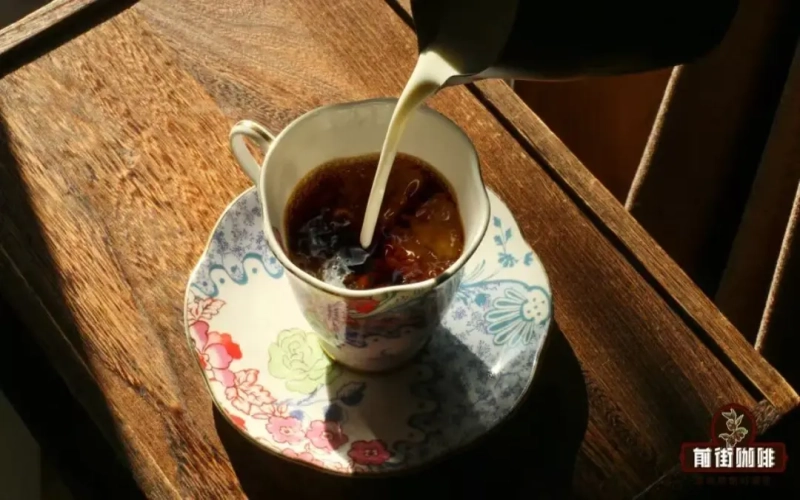
Not every coffee lover owns an espresso machine or a moka pot, but wanting to drink a rich, smooth milk coffee doesn't have to be difficult. This article centers on the common question "Can milk powder be used instead of milk to make a latte," and, drawing on Front Street Coffee's practical experience, systematically sorts out the key operating points, ratio suggestions, and precautions for using milk powder in two scenarios: low-concentration black coffee brewed by pour-over and espresso. The article not only explains the principle of reconstituting milk powder into milk, but also gives specific references for powder amount, water temperature, and ratio, and recommends the Front Street Boundary Estate · Sidra coffee beans suitable for making milk coffee. Whether you want to simply experience the fun of using milk powder to make milk coffee, or try using milk powder to steam milk foam for latte art, you can find an executable solution here. [more…]
Water Buffalo Milk Latte and Dirty: Can Milk Foam Latte Art, Sweetness, and Coffee Flavor Coexist?
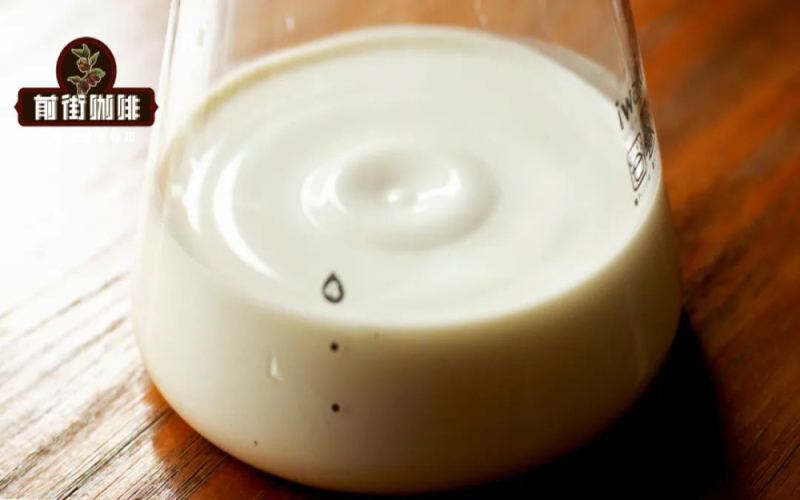
Buffalo milk has long been a specialty dairy product in the Guangdong and Guangxi regions, and in recent years it has been increasingly used by coffee enthusiasts to pair with espresso. It contains higher levels of protein, fat, and calcium than regular milk, with a lower water content, making it sweeter and silkier to drink. So, is buffalo milk actually suitable for latte art? And what does it taste like in an iced latte or a Dirty? This time, Front Street Coffee selected the refrigerated fresh buffalo milk from the local Foshan brand Baifulu, paired with Front Street Coffee's classic blend coffee beans, to make three drinks: a flat white, an iced latte, and a Dirty. From milk foam texture and latte art performance to the flavor on the palate, we tested each one to see whether the combination of buffalo milk and coffee can achieve an effect where 1+1>2. [more…]